

Why Sumo is Gaining Global Popularity: Chankonabe and the Rikishi Diet Explained


In recent years, sumo wrestling has been gaining remarkable attention far beyond Japan’s borders. Fans around the world have become fascinated by the sport’s powerful clashes, its deep-rooted traditions, and the increasing success of foreign-born wrestlers who compete at the highest levels. As sumo reaches a wider global audience, a question naturally arises:
How do sumo wrestlers maintain such massive, powerful bodies — and what exactly do they eat to support such a demanding lifestyle?
This article takes a closer look at the unique diet of rikishi (professional sumo wrestlers), highlighting the famous chankonabe, and explaining how their eating habits are closely tied to training, culture, and the intense physical requirements of the sport.
Table of Contents
Why Is Sumo Becoming More Popular Worldwide?
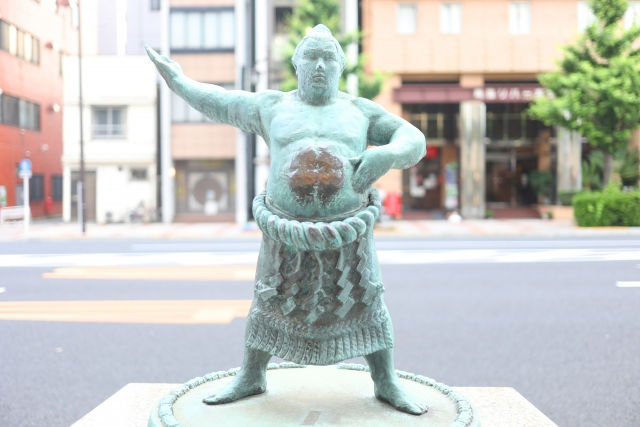
Sumo’s growing international appeal is driven by several key developments:
1. The Success of Foreign-Born Wrestlers
Wrestlers from countries such as Mongolia, Georgia, Brazil, China, and the United States have risen through the ranks of Japan’s sumo world.
Their achievements draw attention from their home countries and spark global curiosity about the sport.
2. Increased Online Exposure
YouTube highlights, tournament livestreams, documentaries, and behind-the-scenes content have made sumo more accessible than ever.
For many international fans, this is their first real look into the wrestlers’ daily routines, traditions, and personalities.
3. Growing Interest in Japanese Culture
Sumo is far more than a sport. It blends ritual, history, spirituality, discipline, and community, offering a uniquely Japanese cultural experience that attracts travelers and culture enthusiasts around the world.
4. Expansion of Amateur Competitions
Events such as U.S. open-weight tournaments and traditional wrestling styles in Mongolia and Korea have introduced the sport to new athletes and audiences, helping sumo spread internationally.
As more people discover and follow the sport, one of the most frequently asked questions is:
What fuels these incredible athletes?
What Do Sumo Wrestlers Eat? A Deep Dive into the Rikishi Diet
Chankonabe: The Heart of Sumo Nutrition

At the center of a sumo wrestler’s diet is chankonabe, a hearty, nutrient-dense hot pot designed to provide a balance of protein, vegetables, and carbohydrates. A typical chankonabe includes:
Chicken or fish
Tofu
Seasonal vegetables
Mushrooms
Meatballs or dumplings
Sometimes noodles
Each sumo stable (heya) has its own signature recipe, often passed down through generations of wrestlers. The dish is flexible, easy to prepare in huge quantities, and can be customized depending on the training season or the preferences of the stablemaster.
Massive Caloric Intake
A professional rikishi typically consumes 7,000 to 8,000 calories per day, and some heavyweights may eat even more. Their meals are usually divided into two large portions:
A huge lunch immediately after morning practice
Dinner in the evening
This schedule is intentional and deeply connected to their training routine.
Why Sumo Wrestlers Skip Breakfast
Wrestlers train intensely each morning on an empty stomach.
This practice:
Increases appetite
Encourages the body to absorb food more efficiently later
After training, their bodies are primed for maximum calorie intake.
Other Foods in the Rikishi Diet
Although chankonabe is the foundation, sumo wrestlers also eat foods that help them easily increase calories, including:
Curry rice
Grilled meat
Ramen
Large amounts of white rice
While calorie-dense, these foods help wrestlers rapidly replenish energy burned during long hours of practice.
Why Chankonabe Is Perfect for Sumo Training
Balanced Nutrition
High protein supports muscle growth
Vegetables supply vitamins and minerals
Relatively low-fat compared to Western-style bulking diets
This balance allows rikishi to build strength without relying heavily on unhealthy fats.
Easy to Cook in Large Quantities
One giant pot can feed an entire stable, making it efficient and economical.
Supports Recovery
After eating, wrestlers usually take a long nap, helping the body recover and store energy for the next training session.
Strengthens Team Bonding
Meals are eaten together, reinforcing:
Hierarchy
Discipline
Respect for senior wrestlers
A sense of community
This shared mealtime culture is one of the pillars of sumo life.
Conclusion
As sumo continues to gain worldwide attention, fans are discovering that the sport’s appeal goes far beyond dramatic matches. The diet of sumo wrestlers — centered around nourishing, protein-packed chankonabe — offers a fascinating glimpse into the discipline, tradition, and physical demands behind this ancient Japanese sport.
Understanding what sumo wrestlers eat not only answers a common question but also reveals the unique lifestyle that supports their incredible strength, size, and endurance. The rikishi diet is much more than food — it is a reflection of the culture, values, and centuries-old traditions that define sumo itself.
Experience Japanese Cuisine with Patia’s Cooking Classes
Our Patia's Japanese cooking classes in Tokyo offer visitors the chance to learn authentic recipes in a fun and interactive setting. From mastering Jiro-style ramen to creating beautiful sushi rolls, each class provides a unique cultural experience that lets you connect with Japan through its cuisine.
Click here for our Japanese cuisine classes
We share behind-the-scenes moments, cooking tips, and beautiful photos from our classes on Instagram! Follow us and join the Tokyo food adventure.
Find us on Instagram @patiajapanesecooking
Contact Us
If you have any questions or want to learn more about our cooking classes, feel free to get in touch! We’re here to help you create unforgettable culinary experiences during your stay in Japan.


